 >
>

By Nick Ross, Operations Manager, WETLAB – Western Environmental Testing Laboratory
Nevada is an ideal state for businesses or companies to relocate to or build from the ground up. Specifically, in the northern part of the state, with the business-friendly environment and large amount of industrial space, it’s no wonder that companies like Apple, Tesla, Panasonic and Switch are deciding to call northern Nevada home. The region is also home to unique environmental factors that can greatly affect businesses, the economy and its citizens. Whether businesses are starting construction on a brand-new building or deciding to relocate to an existing space, there are several aspects that should be taken into consideration including the region’s groundwater tables, natural recourses, drought conditions and renowned water resources. 
Groundwater Tables
Northern Nevada’s environment contains both very low and very high groundwater tables in close geographic areas. Ground water is impacted by precipitation, irrigation and ground cover. It also may be affected by land use. The water table can fluctuate with the seasons from year to year because it is affected by climatic variations, as well as how much water may be drawn from underground.
Groundwater is held underground in the soil or in the pores and crevices in a rock. Low groundwater can be extremely conducive to some endeavors like mines or landfills. However, low groundwater can also pose a problematic element for others like production wells. On the other hand, high groundwater tends to have the opposite effect. Mine dewatering – removing groundwater from a mine or contaminated groundwater due to seepage, are both present in northern Nevada’s environment.
Abundant Natural Resources
The region is filled with natural resources buried deep within the Earth. Resources like mineral deposits of gold, silver and lithium are buried in northern Nevada. The state’s great mineral wealth established this unique geographic region as a state nearly 150 years ago. Today, it continues to be an essential sector in Nevada’s economy. Thanks to world-class deposits of gold and silver, mining is Nevada’s largest export industry. Nevada’s mining industry was a vital source of technological advancement in the 19th century and continues to drive innovation in engineering and science. More than 12,000 people are directly employed by the Nevada mining industry. With a thriving mining industry, other industries and the state’s economy reap the benefits of numerous natural resource exports.
Extreme Drought Conditions
These extreme drought conditions can lead to more natural landscape erosion which in turn require more chemicals to maintain farmlands or golf courses. These conditions can also contracture to additional non-point source pollution when the rain causes runoff for the drought-stricken areas. Additionally, when a region is experiencing a drought, many industries are involved. Whether it’s the dry soil that causes building foundations to crack and shift or a poor yield of the food crop which can lead to less product and local businesses feeling the lack of spending, extreme drought conditions can severely affect the region’s business climate.
World Renowned Water Resources
Lake Tahoe, one of the clearest bodies of water in the world, due to its significant depth, low watershed rate and granite composition. Other resources such as the Truckee River, Pyramid Lake, Walker River and Walker Lake are extremely protected water resources in northern Nevada. Whether state or federal regulations, these water resources require extra layers of regulatory and testing requirements in marinas, ski resorts, water/sewage treatment, etc.
These unique environmental factors can seem daunting to business owners or developers, especially if they are new to the region. It’s important to properly test these environmental factors prior to building or relocating. Environmental testing companies are able to develop unique testing strategies and methods for various constituents and matrices while working closely with regulatory bodies to ensure compliance and accurate testing.
About WETLAB
WETLAB was founded in 2002 in Sparks, Nevada. In 2006, they moved into a state-of-the-art building, customized for our unique environmental testing and analytical needs. This facility has continued to grow is the main testing facility for WETLAB. To meet their customer needs, they have satellite facilities in Elko and Las Vegas. Learn more at www.wetlaboratory.com.
Jason Dukek
Water/Wasterwater Operator, Broadbent & Associates, Inc.
Broadbent & Associates, Inc. is a full-service environmental remediation, water resource, and civil engineering firm. I have been working with WETLAB for the last 15 years, and in all that time, I have never had a situation that wasn’t resolved quickly and efficiently by their staff. They have always watched out for possible mistakes in sampling, or results that could be in direct violation of the client’s permit and notified us of the situation in a timely manner which makes my job that much easier. Their staff is always courteous and professional, and their website is easy to follow and has a lot of needed information at your fingertips.
As a water and wastewater operator, it is important to have a certified testing laboratory with multiple locations throughout the state. With as many as 40 clients throughout the state, each requires different sampling constituents. If I run across something I have never sampled before, I get a hold of our Client Services Manager and they will let me know exactly what I need to do or use to grab the sample correctly. Having a lab that will have your sample bottles ready for pickup in short notice is also very helpful.
With multiple clients, we will continue to work with WETLAB on everything water and wastewater related to keep our clients in compliance with the Nevada Division of Environmental Protection. We will continue to work with them as our clientele base increases over time.
We are pleased to announce the promotions of Andy Smith and Jennifer Delaney.
Andy has been with WETLAB since 2002 and has nearly 22 years of experience in laboratory testing. In his new role, he will be responsible for overseeing lab operations and testing. Smith earned a Bachelor of Science in chemistry from Adams State University.
Jennifer has worked for WETLAB since 2007; her past roles include laboratory scientist, quality assurance (QA) specialist, and QA team lead. In her new role, she will be responsible for ensuring data is of the highest quality and meets the needs of clients. She received a Bachelor of Science in biology and a Master of Public Health with a concentration in epidemiology, both from the University of Nevada, Reno.
Our WETLAB team remains committed to protecting the health and safety of our community. We are here to support your needs and will continue operating as we have been, with the protocols below, in order to promote responsible interaction with each other and our customers.
Sample Drop Off
As temperatures are quickly cooling off in the area, WETLAB Sparks is going to reopen our doors for indoor sample drop-offs starting on Monday, November 2. It will be moved to the side of the door and instructions will be posted. In order to keep both clients and staff as safe and comfortable as possible, we will be following the Washoe County COVID-19 recommendations for public spaces.
Please review the following practices:
- If you choose to enter the building, a face mask must be worn at all times.
- While inside the building, please maintain a 6-foot distance from other people (staff and clients alike).
- We are requesting that clients remain in the front office.
- Please bring your own pen.
At this time, our courier schedule remains unchanged, if you would like to request a pickup, or have any questions, please contact us.
Safety Protocols
The health and safety of our clients, employees, and families remain our priority and as such, we are continuing to take precautions to do our part in minimizing exposure and reducing the spread of COVID-19. In doing so, our client services team, as well as our administrative staff, work from home. We also have protocols in place with our courier service, as well as observing advanced sanitization and cleaning procedures within our office. Effective June 26, 2020, with Governor Sisolak’s Face Coverings Directive, all visitors are required to wear a face-covering over their nose and mouth when dropping off samples. Our employees will be wearing face coverings and other forms of PPE while interacting with the public.
Facility Hours
WETLAB is open to accept samples at our facilities during the following times:
Sparks: 8 – 6
Elko: 10 – 4
Las Vegas: 10 – 3
WETLAB will continue to be responsive to your testing needs to ensure that regulated facilities are operating within their permits and standards to protect public health. As we continue to closely monitor the COVID-19 situation throughout the world and in our own community, we will continue to be diligent in keeping you informed of any changes in our operations. Stay safe and healthy!
During this unprecedented time of global uncertainty, nearly all normalcy has been lost. Essential operations are still required to ensure our communities are adequately supplied with safe drinking water, effectively treated wastewater, and properly disposed solid waste. Manufacturing is required to make necessary items, demanding all levels of supply chain, from mining to delivery, remain open. These operations must continue to function in order to keep our society safe and open, but what about the regulatory requirements that surround these industries?
Water utilities, wastewater treatment plants, solid waste disposals, and mining operations are surrounded by a wide network of regulatory requirements from federal, state, and local levels. Due to COVID-19, many of these industries are facing extremely difficult operating conditions, made difficult due to staffing requirements, increased demand, public concern, and personnel safety. The Environmental Protection Agency (EPA) released a memo on March 26, 2020, outlining updated expectations for EPA regulated entities to help address some of these difficulties.
The memo includes language that identifies public drinking water systems as having a greater responsibility to maintain compliance and protect public health. This means that water systems must continue to monitor regulated contaminants and quality parameters, and maintain compliance. Certified operators may have continuing certification requirements delayed due to COVID-19.
For other regulated entities that are unable to meet standard regulatory requirements that would generally result in enforcement actions, the EPA will apply enforcement discretion. This enforcement discretion will only be applied to requirements missed as a direct result of COVID-19.
In order to ask for enforcement discretion, entities that are non-complaint must take steps to minimize any effects. They must then identify and document the dates of non-compliance, show how COVID-19 was a contributing factor, what response actions were taken after, and how compliance was reinstated. This documentation will be required for any potential enforcement discretion, and must be provided to the appropriate regulatory agency.
Regulated operations must make all efforts to maintain compliance, and the EPA will continue with any ongoing enforcement actions. This enforcement discretion does not apply to any operators under Superfund or RCRA Corrective Action regulations.
Standard compliance activities should be carried out to the best of your ability, which is why WETLAB is still here for your industry. WETLAB has taken steps to ensure the safety of our staff and yours, including using virtual meetings, contactless sample drop-off and bottle delivery, and digital reporting. Contact WETLAB at (775)355-0202 to find out how we can help ensure regulatory compliance and safety in this time of uncertainty.


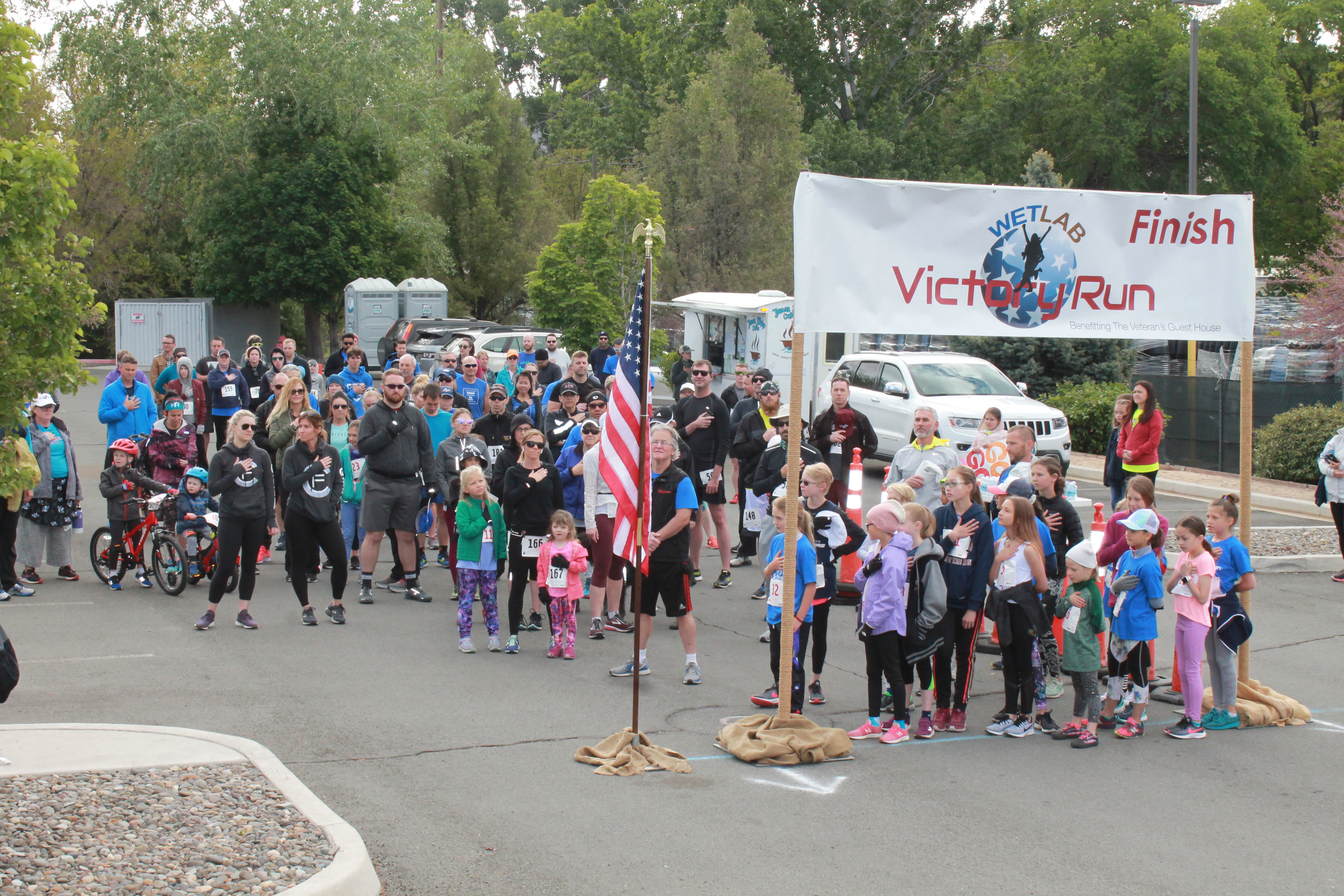


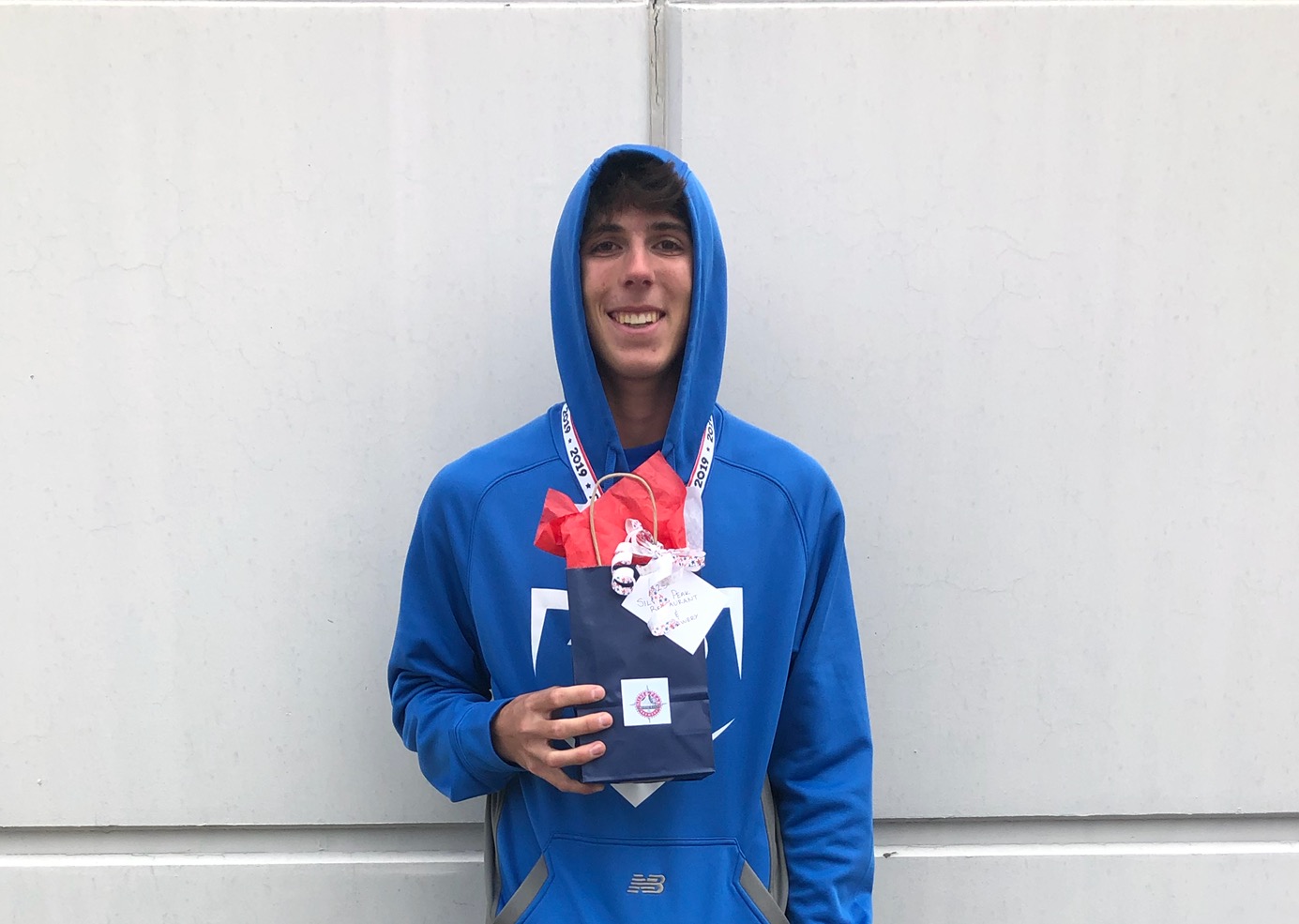


Congratulations and Thank You!
Thank you to our participants, volunteers and sponsors for making this happen. We had a wonderful time!
We can’t wait to see you all next year for the Victory Run! Please see below for results from the men’s, women’s, boy’s and girl’s categories:
Men’s Category:
| First Name | Last Name | Time |
| Jason | Reed | 19:57:00 |
| Pierce | Moran | 20:46 |
| Scott | Cameron | 22:17 |
| Gennady | Stolyarov | 22:37 |
| Pat | Vradenburg | 23:48 |
| Samuel | Delaney | 24:47:00 |
| Tom | St. Marie | 24:59:00 |
| Anthony | Simonte | 25:05:00 |
| Andrew | Sieracki | 25:42:00 |
| Mark | Cameron | 26:04:00 |
| Mike | Brown | 26:30:00 |
| Tom | Porta | 28:44:00 |
| Garrett | Louchart | 28:46:00 |
| Rick | Reef | 28:46:00 |
| Aaron | Squires | 29:02:00 |
| Ryan | Peel | 29:41:00 |
| TC | Calhoun | 29:51:00 |
| Jonathan | Steel | 30:38:00 |
| Brian | Coonradt | 30:40:00 |
| Roland | Blais | 31:01:00 |
| Ryan | Burns | 34:15:00 |
| Paul | Magenheimer | 34:31:00 |
| Alex | Messinger-Patton | 36:43:00 |
| Bryan | Dagerman | 36:49:00 |
| Larry | Smith | 38:00:00 |
| Dean | Stanphill | 39:29:00 |
| Cam | Crain | 41:04:00 |
| Eric | Gangloff | 44:51:00 |
| Tavin | Campbell | 46:27:00 |
| Nello | Gonfiantini | 48:22:00 |
| Bradley | Nichols | 50:21:00 |
| Justin | Norton | 50:21:00 |
| Fradi | Najjar | 52:34:00 |
| Louie | Adame | 1:01 |
| Taylor | Campbell | 1:01 |
| Deon | Daswell | 1:01 |
| Chris | Parsons | 1:01 |
| David | Reyes | 1:01 |
| Jason | Alsum | 1:02 |
| Ty | Whitaker | 1:05 |
| Scott | Elon |
Women’s Category:
| First Name | Last Name | Time |
| Maggie | Brandenburg | 20:25 |
| Jen | Rains | 23:56 |
| Kala | Squires | 23:59 |
| Melissa | Chavez | 25:54:00 |
| Leah | St. Marie | 25:59:00 |
| Tami | Goulden | 26:54:00 |
| Karen | Purcell | 27:22:00 |
| Makenzie | Pomi | 28:43:00 |
| Jeannie | Baker | 28:58:00 |
| Katie | Calhoun | 29:51:00 |
| Mary | Alsum | 31:44:00 |
| Leona | Cameron | 32:09:00 |
| Crissey | Cameron | 32:10:00 |
| Nikki | Buhrmann | 32:47:00 |
| Vani | Soqosoqo | 33:07:00 |
| Haley | Magenheimer | 34:30:00 |
| Kristine | Kinne | 35:43:00 |
| Jennifer | Mingo | 35:47:00 |
| Courtney | Smith | 36:42:00 |
| Linda | Gray | 37:05:00 |
| Natalie | Gray | 37:06:00 |
| Jennifer | Crowe | 37:40:00 |
| Miranda | Smith | 37:59:00 |
| Alisanne | Steel | 38:22:00 |
| Blass | Laura | 41:05:00 |
| Ellen | Messinger-Patton | 44:31:00 |
| Dayna | Giambastiani | 45:25:00 |
| Anna | Camp – Molina | 45:27:00 |
| Sara | Ross | 46:11:00 |
| Jennifer | Adams | 46:29:00 |
| Corrine | Casanova | 46:30:00 |
| Brynna | Nichols | 50:23:00 |
| Ava | Beaupre | 50:57:00 |
| Stéphany | Apollon | 51:32:00 |
| Kim | Aldrich | 51:34:00 |
| Eliza | Gilsdorf | 51:34:00 |
| Stacey | Gonfiantini | 51:35:00 |
| Teresa | Chalmers | 52:37:00 |
| Trisha | Beaupre | 52:54:00 |
| Mindi | Dagerman | 58:18:00 |
| Karen | Nichols | 1:01 |
| Amanda | PeQueen | 1:01 |
| Claire | Schauer | 1:01 |
| Diane | Wood | 1:01 |
| Vanessa | Alsum | 1:02 |
| Betty | Hancock | 1:03 |
| Lois | Johnson | 1:03 |
| Chariese | Youshida | 1:03 |
| Rosemary | Mann | 1:05 |
| Abbi | Whitaker | 1:05 |
Boy’s Category:
| First Name | Last Name | Time |
| Kole | Steel | 25:45:00 |
| Hunter | Steel | 27:58:00 |
| Jakobe | Franklin | 29:10:00 |
| Cameron | Dagerman | 36:54:00 |
| Alexander | Mingo | 41:57:00 |
| Lincoln | Smith | 42:00:00 |
| Geronimo | Molina | 45:13:00 |
| Forrest | Gangloff | 45:15:00 |
| Seth | Chalmers | 52:48:00 |
| Henry | Dagerman | 58:16:00 |
Girl’s Category:
| First Name | Last Name | Time |
| Milana | Gangloff | 27:03:00 |
| Addison | Clark | 27:55:00 |
| Lauren | Sherven | 28:15:00 |
| Scarlett | Squires | 29:28:00 |
| Genoa | Peel | 29:43:00 |
| Joey Rose | DuVall-Hill | 30:25:00 |
| Mackenzie | Mingo | 33:43:00 |
| Hayley | Burns | 34:12:00 |
| Ellie | Douglas | 35:20:00 |
| Sophie | Najjar | 37:55:00 |
| Emerson | Evans | 39:41:00 |
| Lily | Crain | 39:42:00 |
| Tabitha | Gilsdorf | 39:54:00 |
| Gysel | Najjar | 41:51:00 |
| Olivia | Cook | 44:29:00 |
| Amelia | Giambastiani | 45:02:00 |
| Sophia | Ross | 46:08:00 |
| Sofia | Gonfiantini | 48:17:00 |
| Elise | Beaupre | 52:35:00 |
| Eden | Whitaker | 1:05 |
Sample Collection is the first, and perhaps the most important step in the analytical process. Poor sampling inhibits the labs ability to produce representative data of a sampling source. Sampling is comprised of 5 main steps:
1. Create a Field Sampling Plan
2. Contact lab to order bottle kit and discuss any scheduling complications
3. Conduct sampling following instructions from Field Sampling Plan and the lab
4. Release Custody of Samples to the lab, or a third party shipper
5. Review Sample Receipt to ensure correct analyses are ordered
What do each of these steps mean? Let’s take a closer look.
1. Field Sampling Plan- This is necessary to succeed in sampling, and generally should include the following:
- General Facility Info or Sampling Locations
- Contact Person and Samplers Name
- Sampling Objectives
- Facility of Location Information (PWS codes for drinking water)
- Data Quality objectives
- Sampling Points
- Sample Collection Procedure
- Sample Handling Procedure
- Equipment Checklist
- Equipment Preparation and Cleaning Procedures
2. Ordering Bottles and Scheduling Sampling- Call us to order your sample containers. The bottles provided will be bagged together into “sets” to keep each site organized. A cooler will also be provided. The lab will generally need the following information:
- What are you sampling for?
- How many sites do you intend to sample?
- When are samples being collected and when will they be delivered to the lab?
- Are any additional sampling supplies required (COCs, gloves, extra coolers, ice packs, custody seals, Ziploc bags, etc.)?
Depending on the situation, more coordinating and information may be required! For example:
Courier Pick Up or Drop Off– If you need sample containers dropped off at your site or picked up from a courier, it is wise to plan sampling around your labs standard courier routes. You can find WETLAB’s standard courier schedule here.
Sample Shipping– If samples are being shipped to or from a remote location, consider the amount of time samples will be in transit. If you are sending short-hold samples, selecting a “next day delivery” option may be necessary.
Subcontracted Work– Most subcontracting is shipped to southern CA and NV, therefore, factor this extra time in transit when making your sample plan. Furthermore, avoid delivering samples requiring subcontracting on Fridays, as they cannot ship out until the following Monday.
Weekend Work– Weekend work is not ideal, however, it is sometimes unavoidable! It is important, however, to notify your lab as soon as possible about weekend work so that staff can be scheduled to accommodate the request.
3. Sampling- Once the game plan is set, it is time to execute your sampling project.
- Follow the steps outlined in your Sampling Plan and make sure to follow any special instructions provided by your lab.
- Take note of the weather conditions, high and low temperatures can drastically affect how you pack and transport your samples.
- Wear PPE! Gloves, glasses, masks, hairnets… they all serve a purpose to keep you safe and/or your samples clean.
- Make sure to add the proper preservatives to your samples in the field, add custody seals to bottles or coolers if your sample plan requires them, and make sure to use bubble packaging for glass containers.
4. Releasing Custody of Samples- An additional responsibility of a sampler is properly documenting sample information and signing for any change of sample custody. The analytical Chain of Custody (or COC) is a required legal document submitted with samples to the laboratory. This document is a requirement for any sample submission to a lab, and serves numerous purposes:
- Client and Reporting information
- Turnaround time, compliance needs for reporting, report format, and QC requirements
- Sample ID, Date/Time, Preservatives, Matrix, Number of Containers, and required tests
- Miscellaneous comments, including hazard warnings, reporting requests, sample return requests, preservative notes, etc.
- Relinquishing custody of the samples
5. Review Sample Receipt- WETLAB can send you an electronic “ sample receipt” which will list the entered information from your Chain of Custody, the receiving conditions of your samples (including anomalies), and an itemized list of all the analytical testing slated for your samples.
This is the final check before the testing will commence, so it’s important to review as soon as possible and contact the lab with any questions or concerns.
Contact WETLAB at (775)355-0202 to discuss your sampling requirements and project needs.
What is a holding time, and why do I need to know about it? A “holding time” is the elapsed amount of time from the point of collection to the moment of preparation or analysis. Note that this is not the date/time of receipt at the lab! If samples are analyzed beyond an analytical holding time, the data will be qualified on the analytical report and may not be usable for compliance.
The analytical hold time to a sample is like an expiration date to a carton of milk; past the hold time, analysis technically can still be performed (just as milk may be consumed after it expires), the results, however, in both cases may be unsavory. There are very few allowances for missed hold times and in almost every case, resampling is required.
You should get samples to the lab as quickly as possible, as holding times are different for volume received unpreserved. For example, metals shrink from 6 months to 7 days, nutrients from 28 days to 48 hours, others hold times may even shrink to 24 hours or less! Find out more about preservatives and sample bottles here.
Holding times are easily accessible, as the information is constantly needed (and important!):
From WETLAB’s website here
From the EPA under 40CFR, part 136, Table II
From the NDEP website here
Or, get a hard copy sheet on your next stop into WETLAB
Be aware, hold times can change as methods are updated, so you should contact WETLAB for the most up to date information before you develop your sampling plan.
What is a preservative, and why is it important? According to the EPA, methods of preservation are relatively limited and are intended generally to (1) retard biological action, (2) retard hydrolysis of chemical compounds and complexes, (3) reduce volatility of constituents, and (4) reduce absorption effects.
In other words, the purpose of a preservative is to “freeze” the sample chemistry at the point of sampling so that what gets analyzed at the lab is as similar to the source as possible, despite the unavoidable delay between the sampling and analysis.
Some common preservatives include:
- Sulfuric Acid (H2SO4)
- Preservative for Nutrients: Total Nitrogen, Ammonia, Phosphorus, TKN, etc.
- Nitric Acid (HNO3)
- Preservative for Metals: Arsenic, Sodium, Lead, Copper, Iron, Mercury, etc.
- Sodium Thiosulfate (Na2S2O3)
- Preservative for Bacteria: Total Coliform, E. Coli, Fecal
- Sodium Hydroxide (NaOH)
- Preservative for Cyanide: Total CN, Free CN, WAD CN, etc.
- Hydrochloric Acid (HCl) in VOA vials
- Preservative for Volatile Organics: VOCs and Gasoline
- Hydrochloric Acid (HCl) in Amber Glass
- Preservative for Organics: Oil & Grease, Diesel, Oil, etc.
However, the most important, but often overlooked, preservative is ice. Keeping a sample cold (between 2-6C) is a requirement for nearly every analytical test we perform EXCEPT for metals analysis. It is generally preferable to use wet ice instead of ice packs when possible.
Sample containers, just like preservatives, are designed to inhibit the natural chemical changes which will occur in a sample as time passes. In addition to that, sample containers also serve a few other purposes:
- To ensure proper volume is provided to a lab (all tests have a minimum required volume)
- To ensure the lab has enough volume to perform the proper quality control
- Some containers limit a samples exposure to UV rays
- Some containers are designed to prevent sample contact with air
- Some are sterilized and sealed to prevent bacteria contamination
- Some containers are designed to limit sample absorption (plastic vs. glass)
- Some are specifically designed to be loaded directly into an instrument (or even an autosampler for composite samples)
But how do I know which sample bottle and preservative to use? Simple, you ask the lab! By contacting WETLAB before you begin your sampling process, you will help ensure that you use the correct bottle and preservative. Our staff can also help you review your permit making sure the correct samples are taken at the correct time of the year (DPBs, LCR, SOCs), and making sure the correct methods are used for your sample matrix (drinking water, waste water, haz waste). We can even help with sampling requirements making sure your samples are collected as intended by your permit (LCR first draw, grab vs. composite), saving you valuable time that can be lost from unintended mistakes.
Be aware, preservatives and hold times are dictated by the analytical method and enforced by state/federal agencies and the laboratory. Cyanide species, Volatile Organics, Dissolved Oxygen, Bacteria, SOCs, DBPs, and many other tests absolutely require correct bottles and preservatives to analyze for compliance.
Contact WETLAB at (775)355-0202 to discuss your sampling needs. Our seasoned staff can help you determine which samples you need, how they need to be collected, and provide you with all the right bottles and preservatives to make sure your procedures remain in compliance.


